Rural Churches in Japan: Why the Countryside Needs Church Planting
Many rural areas of Japan have no church, and many churches have no pastor. Here is why the countryside needs church planting, and how you can help.

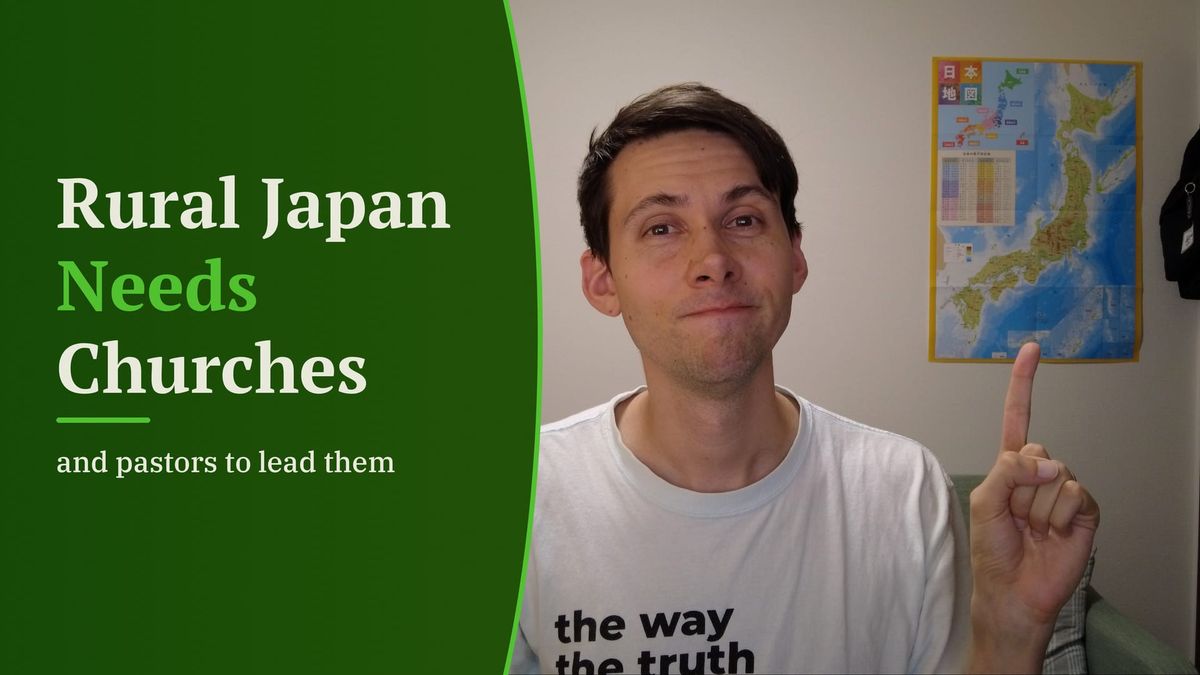
Most of rural Japan has no church, and many of the churches that do exist have no pastor. Around 26% of Japan lives in rural areas, and these communities are the frontier of missions work in Japan. Read on for why rural Japan remains unreached, the challenges facing rural churches, and how you can pray for and support church planting in rural Japan.
A First-Generation Believer and Their Family
Imagine you are a first-generation Japanese believer living in Tokyo. You heard about Jesus from some friends during university. Now you are baptized and committed to following Him, regularly serving and attending your local church.
You think about your family often, and you pray for their salvation. You probably visit them in August around the Obon season and spend the New Year week together.
Many of your family members likely live in another part of Japan, either rural or urban. Going home means taking a train or car out of a megacity with almost everyone else. Your hometown might be a beautiful village by the ocean, or tucked away in a quiet valley surrounded by mountains. Everyone you grew up with probably left for the big city years ago.
Your grandparents, aunts, and uncles likely live in rural areas. If you are married, it is common to have family in two very different rural areas.
This is a problem. If you shared Jesus with your extended family and they accepted Him, they would not be able to go to church without long travel times. Some might not be able to attend in-person services at all.
Why Rural Japan Is Still Unreached With the Gospel
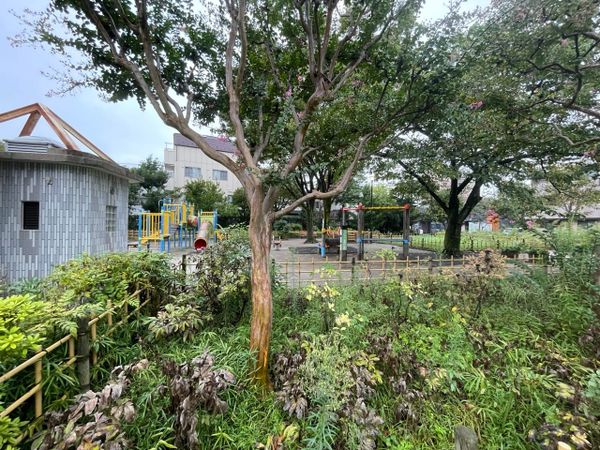
Rural Japan generally means communities of fewer than 50,000 people. These areas have almost no churches, no Christians, and no missionaries. Many have not had a church for centuries.
Elders in rural households are often the spiritual leaders of their families, leading and participating in Buddhist and Shinto rites. There are many spiritual strongholds in the countryside that need to be taken down, and many people who have never heard about the love of God.
Rural populations are also aging. Young people move to Tokyo and other cities for work and education, while many rural residents are past retirement age and have lived in the same towns for generations. Many of these elderly neighbors are facing eternity in a few short years.
The Challenges Facing Rural Churches in Japan
Churches that exist in rural areas are often in difficult situations. Many are struggling to grow, and some are struggling to survive a few more years.
Pastorless Churches
About 1,000 of Japan's estimated 7,800 churches have no full-time pastor. Many more have a part-time pastor who works another job and cannot dedicate full-time work to the church.
The average pastor in Japan is 62 years old, and many pastors continue to lead congregations in their 70s and 80s. Many have no one to pass their congregation on to, and no younger leaders to invest in.
Small and Aging Congregations
60% of congregations in Japan have 30 or fewer worshippers. Many members are elderly and retired, and young people in these congregations often move to cities for jobs and educational opportunities. Financially, it is difficult to keep church buildings open and staff hired.
While not tied to a stated demographic model, some have suggested a critical reduction in Japanese churches around 2030, as many elderly church members exceed the average life expectancy. Church members and pastors may decrease by as much as half in this time frame.
Rethinking the One Church, One Pastor Model
The one church, one pastor model is not working as well as it once did, and many leaders in Japan have decided it should be re-evaluated. Ministries like the Muboku movement, led by a local pastor, are working on solutions for this issue by connecting pastorless congregations with pastors and developing shared-pastor models.
How PAZ Church Is Preparing to Plant Churches in Rural Japan
The vast majority of Tokyo residents are not part of a church community. The vast majority of rural Japan residents are even further from hearing the Gospel presented to them. Rural Japan needs Christian workers called to that field and prepared for long-term service there.
PAZ Church Japan eats, sleeps, and breathes church planting. We are praying for the leaders, wisdom, and infrastructure to plant well and plant everywhere.
Training Leaders Through PAZ Bible College
PAZ Bible College (PBC) is now in its sixth year. It was created specifically to train the pastors and leaders Japan needs for future church planting efforts. Working adults train alongside students and younger believers, and many have stepped up as leaders through the program's training and encouragement.
Multi-Site and Mobile Churches
PAZ Church has four campuses, including a satellite congregation participating with us. Three are in the megacity of Tokyo, and one is in an urban area. Our campuses regularly stream services from the main campus, which helps reduce the burden on pastors who may be working bivocationally, and reminds each congregation that it is part of something bigger.
We are growing our multi-site model to take great spiritual care of each member, and we are gaining experience with low-footprint mobile churches that are not dependent on a building. We are also believing for bigger buildings in Tokyo to serve as bases for expanding outward.
Sending Church Plants to Rural Areas
We are praying for leaders and teams to be raised up and sent into both urban and rural Japan. We are excited to send out church plants to rural areas as we expand.
Frontier Ministry in Rural Japan
Rural Japan is a modern frontier. Many of these communities may never have heard the Gospel. The apostle Paul described his similar calling this way:
"yes, making it my aim to preach the Good News, not where Christ was already named, that I might not build on another's foundation." (Romans 15:20, WEB)
Together with all the Bible-believing churches in Japan, our goal is to see 90% of Japan know and receive the love of Jesus by 2050, first in Japan and then in the rest of the 10/40 window. We believe Japanese believers are going to do an amazing job reaching their own people and then the rest of the world.
How to Pray for and Support Rural Churches in Japan
We need God's help, we need prayer, and we need workers in Japan. Rural Japan needs church planters, Christian workers, prayer, and finances.
Join us in prayer:
Pray for first-generation believers. Pray for Japanese Christians whose families live in areas without a church, that their families would come to know Jesus.
Pray for pastors in rural Japan. Pray for strength and encouragement for pastors serving alone or bivocationally, and for a new generation of pastors to be raised up.
Pray for Christian workers. Pray for workers called to rural Japan and prepared for long-term service there.
Pray for new churches to be planted. Pray for the leaders, wisdom, and infrastructure to plant churches in every city, town, and village.
Take a next step
The Rural Japan Church Planting Network has resources, data, and an actionable plan for getting involved in rural Japan, along with ways to pray for this critical ministry: en.ruraljapanchurch.com
Watch the Video
I talk through these points with videos from Japan's beautiful countryside in this week's video, Rural Churches in Japan: Why the Countryside Needs Church Planting.
Leave a comment, contact me, or follow our family's ministry at qfamjapan.com if you are praying about ways to be involved. I look forward to hearing from you!